akargroupofcolleges@gmail.com +91 92270 04915 | +91 70482 68365




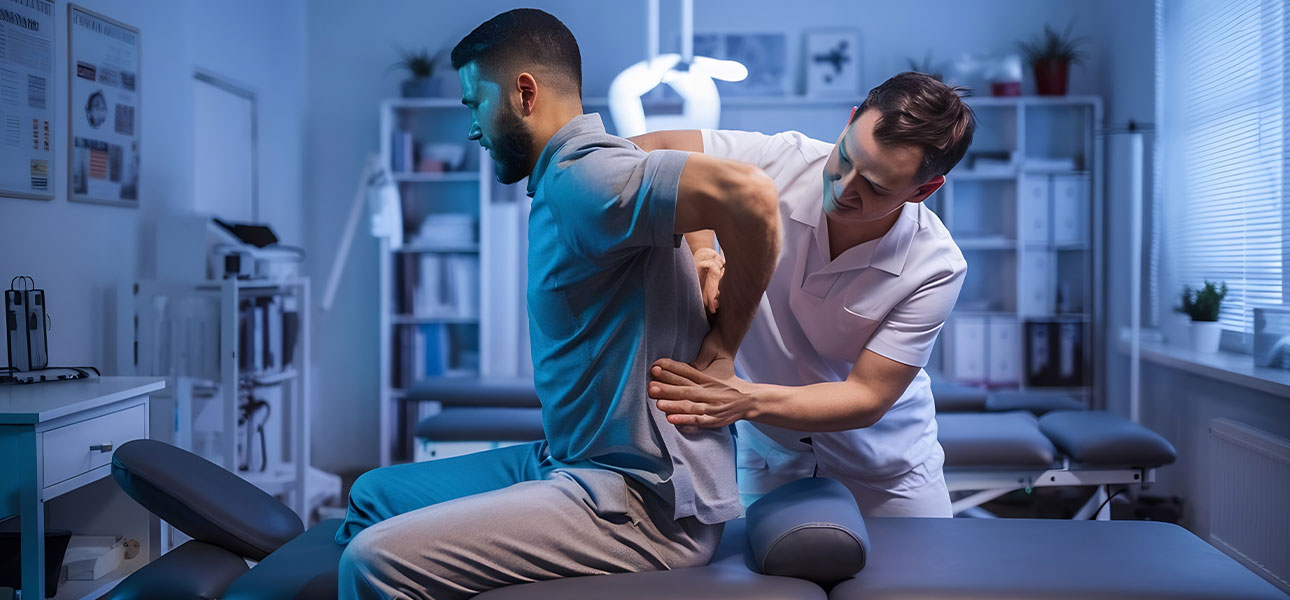
Gain hands-on clinical exposure through patient care, hospital training, and practical physiotherapy treatment learning experiences regularly.

Learn from qualified physiotherapy professionals with strong clinical expertise and student-focused healthcare teaching approaches consistently.

Develop rehabilitation and therapeutic skills through modern physiotherapy practices and evidence-based healthcare learning methodologies effectively.

Gain real healthcare exposure through clinical postings, patient interaction, workshops, and hospital-based practical learning opportunities regularly.
Learn in a well-equipped environment with modern laboratories, physiotherapy clinics, rehabilitation facilities, and digital learning resources consistently.
Enhance assessment, rehabilitation, communication, and patient-handling abilities through practical healthcare training sessions effectively.
Encourage analytical thinking, evidence-based practice, and innovative healthcare approaches through academic and clinical learning activities regularly.
Develop confidence, ethics, leadership, and professional healthcare behaviour required for successful physiotherapy careers and opportunities consistently.
The Bachelor of Physiotherapy (BPT) at Akar College of Physiotherapy is a career-focused healthcare programme designed to develop skilled physiotherapy professionals with strong clinical knowledge and rehabilitation expertise. Run by Akash Education Trust, the college is affiliated with Gujarat University and recognized by The Gujarat State Council for Physiotherapy (GSCPT), ensuring quality healthcare education and professional credibility.
4½ Years professional degree programme
12th Science with Physics, Chemistry, and Biology from a recognized board
The BPT programme is offered as a 4½ Years professional degree programme focused on anatomy, rehabilitation sciences, physiotherapy techniques, therapeutic exercises, and patient care practices. Students who have completed 12th Science with Physics, Chemistry, and Biology from a recognized board are eligible for admission as per university norms.
Through clinical postings, hospital exposure, laboratory training, workshops, seminars, and patient-centred learning approaches, students gain practical healthcare experience and professional confidence. With modern infrastructure, rehabilitation facilities, and experienced faculty support, the programme prepares students for successful careers in physiotherapy, rehabilitation sciences, and healthcare services.
 Clinical-Based Education: Hands-on physiotherapy training focused on patient assessment, rehabilitation techniques, and practical healthcare learning experiences consistently.
Patient-Centred Learning: Educational approaches focused on patient care, therapeutic treatment planning, and rehabilitation-based physiotherapy practices effectively.
Practical Laboratory Sessions: Laboratory-based learning designed to strengthen clinical understanding, physiotherapy assessment, and therapeutic treatment methodologies regularly.
Hospital & Clinical Exposure: Clinical postings and healthcare exposure focused on developing confidence in professional physiotherapy and patient interaction environments consistently.
Rehabilitation Training Methods: Learning approaches focused on rehabilitation exercises, mobility improvement, and evidence-based physiotherapy treatment practices effectively.
Interactive Healthcare Activities: Participation in seminars, workshops, presentations, and collaborative healthcare learning experiences designed for practical academic development regularly.
Communication & Patient Handling: Activities designed to strengthen communication, patient interaction, teamwork, and professional healthcare relationship-building abilities successfully.
Technology-Supported Learning: Exposure to modern physiotherapy equipment, healthcare technologies, and digital learning resources used in rehabilitation sciences consistently.
Ethical Healthcare Practices: Learning environment promoting discipline, professional ethics, responsibility, and patient-focused healthcare values required in medical professions effectively.
Continuous Clinical Evaluation: Regular practical assessments, clinical evaluations, assignments, and healthcare activities designed for continuous professional improvement consistently.
Clinical Physiotherapy Knowledge: Develop strong understanding of physiotherapy techniques, rehabilitation sciences, therapeutic exercises, and modern healthcare treatment methodologies effectively.
Practical Treatment Skills: Build practical clinical abilities through patient assessment, rehabilitation training, therapeutic procedures, and physiotherapy treatment practices consistently.
Patient Care & Communication: Enhance patient-handling, communication, interpersonal, and professional healthcare interaction skills required in clinical environments successfully.
Rehabilitation & Healthcare Exposure: Gain real healthcare exposure through clinical postings, internships, practical training, and patient-centred rehabilitation learning experiences regularly.
Professional Healthcare Readiness: Prepare for successful careers in physiotherapy, rehabilitation sciences, healthcare services, and professional medical environments effectively.

Design and implement personalized rehabilitation programs for patients recovering from injuries, surgeries, or illnesses, helping them regain mobility and function.

Utilize various therapeutic techniques, including manual therapy and modalities like ultrasound or electrotherapy, to alleviate pain and improve patient comfort.

Work with athletes to prevent injuries, enhance performance, and provide rehabilitation services for sports-related injuries through specialized training and exercises.

Address the physical challenges faced by elderly patients, developing tailored programs to improve balance, strength, and overall quality of life.

Provide therapeutic interventions for children with developmental or physical conditions, using engaging techniques to support their growth and mobility.

Assist patients with neurological disorders, such as stroke or multiple sclerosis, in regaining motor skills and independence through targeted therapy.

Treat musculoskeletal conditions by developing rehabilitation plans focused on restoring strength, flexibility, and function in injured areas.

Promote awareness of physical health and wellness through community programs, teaching prevention strategies for injuries and chronic conditions.

Engage in research to explore new treatment techniques, therapies, and technologies that enhance patient care and rehabilitation outcomes.

Collaborate with other healthcare professionals to provide comprehensive care, addressing the physical, emotional, and social needs of patients for optimal recovery.

“AKAR College of Physiotherapy offers a perfect blend of theory and practical learning. The faculty is supportive, and the clinical exposure is excellent. I’ve gained confidence through hands-on sessions and workshops. It’s a great place for aspiring physiotherapists to grow academically, professionally, and personally.”
“My experience at AKAR College has been amazing. The professors are knowledgeable and approachable. Practical training and clinical postings give us real-world insight. The campus environment is positive and encouraging. I feel confident about my future as a physiotherapist thanks to the education and guidance received here.”
“AKAR College provides outstanding physiotherapy education. The curriculum is well-structured, with equal focus on academics and clinical practice. Faculty members are always ready to help. Regular seminars and hospital visits enhance our learning. I’m proud to be part of such a dedicated and student-friendly institution.”
“Learning at AKAR College has been enriching. The college emphasizes both practical skills and academic knowledge. We get exposure through health camps and hospital postings. The teaching staff is very encouraging and dedicated. I’ve grown immensely in confidence and skills, preparing me well for a successful career.”
“AKAR College is the ideal place for physiotherapy education. With great infrastructure, experienced faculty, and strong clinical exposure, it shapes us into competent professionals. Interactive classes, workshops, and patient handling make learning effective. I feel proud and prepared for a future in the healthcare field.”
A Physiotherapy degree equips you with the skills and knowledge to assess, diagnose, and treat patients with physical disabilities or injuries. It helps you become a licensed physiotherapist, allowing you to work in hospitals, clinics, rehabilitation centers, or even start your own practice, improving patients' quality of life through movement and exercise therapy.
To apply for a Bachelor's in Physiotherapy (BPT), you must have completed your 12th grade with Biology, Physics, and Chemistry as core subjects. You generally need to secure a minimum percentage (usually around 50%) in these subjects. Some institutions may also require you to clear an entrance exam.
A Bachelor's in Physiotherapy (BPT) is typically a 4.5-year program, which includes a 6-month mandatory internship. For a Master's in Physiotherapy (MPT), the duration is usually 2 years, depending on the specialization you choose.
The Physiotherapy program covers subjects like Anatomy, Physiology, Biomechanics, Orthopedics, Neurology, Rehabilitation Techniques, and Exercise Therapy. As you advance, you can specialize in areas such as Sports Physiotherapy, Neurological Physiotherapy, or Cardiopulmonary Physiotherapy.
Physiotherapy programs include significant practical training through clinical postings, where students work with real patients under supervision. The program also includes a compulsory internship, giving you hands-on experience in hospitals and clinics to apply what you've learned.
After completing a Physiotherapy degree, you can work as a physiotherapist in hospitals, sports clubs, rehabilitation centers, or open your own private practice. Career roles include Clinical Physiotherapist, Sports Therapist, Rehabilitation Specialist, or Neurological Physiotherapist. You can also work in wellness centers or with specialized groups like athletes or elderly patients.
Yes, in most countries, you need to be registered with a recognized medical or physiotherapy council to practice as a licensed physiotherapist. After completing your degree, you will need to apply for a license, which may involve passing a certification or registration exam.